

What Homeowners Need to Know About Heat Pumps
Homeowners rely on their air conditioners and heaters to keep their homes comfortable throughout the year. This can lead to high energy usage and expensive utility bills. Fortunately, homeowners have options, like a heat pump installation. This post will explain what heat pumps are, the benefits they provide, and signs they need repair.
Heat Pump Basics
A heat pump is an innovative heating and cooling system that keeps homes comfortable year-round. Unlike traditional HVAC systems that need separate heating and air conditioning units installed, heat pump systems can both heat and cool a home. Heat pumps are also more energy-efficient systems because they transfer heat instead of generating it.
Heat pumps extract heat from the outside air or ground in colder months and bring it indoors to warm homes. The process reverses during summer, and the system extracts heat from inside the home and moves it outside to maintain a cool and comfortable environment. This efficient heat transfer process uses significantly less energy than conventional heating systems like a furnace. Heat pumps are available in various configurations, including ducted and ductless mini-split models. Each type offers distinct advantages, making selecting the best option for a home’s specific needs easier.
Advantages of Heat Pump Installations
 Adding a heat pump system to a home provides many benefits for homeowners, making it a smart investment for comfort and efficiency. Some of the top advantages include
- Energy Efficiency: Heat pumps consume significantly less energy since the system transfers heat rather than generating it, which helps homeowners save on energy bills.
- Dual Functionality: A heat pump eliminates the need to install separate systems for heating and cooling. A single system handles both tasks, simplifying the home’s HVAC setup.
- Environmentally Friendly: Heat pumps run on electricity rather than fossil fuels, making them eco-friendly. This helps reduce a home’s carbon footprint while maintaining year-round comfort.
- Flexible Installation Options: Heat pumps come in versatile designs, including ducted systems for whole-home coverage and ductless systems for zoned heating and cooling, ensuring they can be adapted to suit various home layouts and needs.
When to Schedule Heat Pump Repair
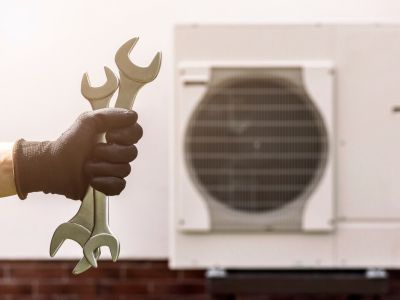 Heat pumps, like any heating and cooling system, occasionally need repairs. Homeowners should be aware of these common signs that their heat pump may require professional attention:
- Inconsistent Temperatures: If some rooms in the home feel noticeably warmer or cooler than others or the system struggles to keep the home comfortable, the heat pump needs service.
- Unusual Noises: Grinding, squealing, or rattling sounds may indicate mechanical problems within the system that require immediate attention.
- Higher Energy Bills: A sudden spike in energy costs without any changes in usage could indicate that the heat pump is operating inefficiently.
- Frequent Cycling: If the heat pump turns on and off more often than usual, called short cycling, it needs service.
- Constant Operation: If a heat pump runs continuously, it is also a sign that it needs service.
Homeowners who notice these warning signs should promptly schedule heat pump repairs. Timely service can help prevent further damage and ensure the system continues to operate efficiently.
About Spring Hill Heating & Cooling
The Spring Hill Heating & Cooling team provides quality heating and air conditioning services to their community. With more than 20 years of experience, they offer on-time service and same-day appointments. Call them for heat pump installation and repair in Columbia, TN.